More than two-thirds of first-time VA disability claims are denied outright or rated lower than they should be, even though VA's average processing time has dropped to 78.6 days as of May 2026. For a veteran who waited months for an answer, a denial letter can feel like the end of the road. It is not. The VA Appeals Modernization Act (AMA) gives every veteran a clear, one-year window to challenge a decision through three distinct review lanes, and choosing the right one is often the difference between a fast fix and a multi-year fight. This guide breaks down eligibility, evidence, filing strategy, and what happens after you push back.
Key Takeaways
- Identify why VA denied your claim by reading the rating decision's "reasons and bases" section before choosing an appeal lane.
- Protect your effective date by filing a Supplemental Claim, Higher-Level Review, or Notice of Disagreement within one year of the decision letter.
- Gather new and relevant evidence, such as private medical records, updated nexus letters, or buddy statements, before filing a Supplemental Claim.
- Request a Higher-Level Review when you believe VA made a factual or legal error and no new evidence is needed.
- File a Board Appeal when you want a Veterans Law Judge to decide your case, especially after multiple denials.
- Track your appeal status through VA.gov or a VA-accredited representative to catch missed deadlines early.
Table of Contents
- Who Can Appeal a VA Denial
- Gathering Evidence That Actually Changes the Outcome
- Choosing Your Filing Strategy: Three Review Lanes
- Step-by-Step: Filing Your Appeal
- After You File: What Happens Next
 |
From the AVOY VA Benefits Mastery Library The VA Disability Appeal Guide covers this in full depth, with step-by-step guidance for exactly this situation. Get the Book → |
Who Can Appeal a VA Denial
Any veteran, surviving spouse, or dependent who received a VA rating decision they disagree with has the right to appeal under the Appeals Modernization Act. This includes denials for service connection, ratings assigned lower than expected, effective dates you believe are wrong, and denials of secondary conditions. Eligibility to appeal is not means-tested and does not require a lawyer or claims agent, though many veterans choose to work with a VA-accredited Veterans Service Officer (VSO) at no cost.
The critical number to understand is one year. Under the AMA, a claimant has one year from the date VA mails the decision letter to file in any of the three review lanes and preserve the original effective date, which controls how far back your compensation and back pay can reach. File on day 364 and the effective date chain holds. Miss the window and you generally lose the ability to tie a later award back to the original claim date, though you can still start a new claim.
Reading Your Denial Letter First
Before choosing a lane, read the "Reasons for Denial" section of the rating decision carefully. VA is required to explain exactly which element was missing: no current diagnosis, no in-service event, no medical nexus linking the two, or insufficient severity for the rating requested. This single paragraph should drive every decision that follows, because the three appeal lanes are built to fix different problems, not interchangeable do-overs of the same claim.
Gathering Evidence That Actually Changes the Outcome
Evidence is the single biggest lever in any appeal, but what counts as "new and relevant" depends on which review lane is chosen. A Higher-Level Review does not accept new evidence at all; it only works with what is already in the file. A Supplemental Claim requires new evidence that was not previously considered, which is where most successful appeals are won.
Service Treatment Records and Private Medical Evidence
Start with anything missing from the original claims file. Many denials trace back to incomplete service treatment records (STRs) or private medical records VA never received. Request a full copy of the claims file, called a C-file, through VA.gov or a VSO to see exactly what VA reviewed. Then supplement gaps with private treatment notes, updated diagnostic testing, or a new nexus letter from a treating physician that directly addresses the missing link VA identified in the denial.
Lay Statements and PACT Act Presumptives
Buddy statements from fellow service members, family members, or supervisors can establish an in-service event when official records are thin or were destroyed, which happens more often than veterans expect for older service periods. Separately, check whether the condition now qualifies as presumptive under the PACT Act. Since 2022, VA has approved more than 2.4 million PACT Act-related claims, and conditions denied before a presumption was added may now qualify automatically without a nexus letter at all.
Choosing Your Filing Strategy: Three Review Lanes
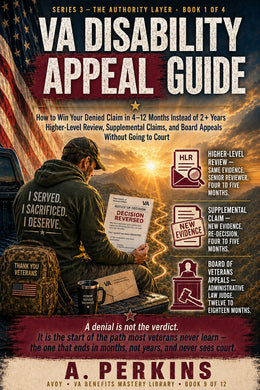
The AMA created three distinct paths, and picking the wrong one wastes months. A Supplemental Claim (VA Form 20-0995) is the right choice when new and relevant evidence exists; it triggers VA's duty to assist, meaning VA must help develop the evidence, and has no filing deadline at all, though filing within one year preserves the original effective date. VA's processing goal for Supplemental Claims is roughly 125 days.
A Higher-Level Review (VA Form 20-0996) is the right choice when the evidence already in file is sufficient but a senior reviewer likely made an error applying the facts or the law. No new evidence is submitted, and the case goes to a more experienced adjudicator, also with a roughly 125-day processing goal. This lane must be filed within one year of the decision.
When to Go Straight to the Board
A Board Appeal (Notice of Disagreement, VA Form 10182) sends the case to a Veterans Law Judge and is best reserved for complex cases, cases with a documented history of repeated denials, or cases where a legal argument, not just a factual one, is central to the dispute. Veterans can choose a direct review (no new evidence, no hearing), an evidence-only lane, or a hearing lane. The Board's goal for direct review cases without a hearing is about one year, longer if new evidence or a hearing is added.
Step-by-Step: Filing Your Appeal
- Request your complete claims file (C-file) through VA.gov or your VSO so you know exactly what evidence VA already has.
- Read the rating decision's reasons and bases to identify the specific missing element: diagnosis, event, nexus, or severity.
- Choose your lane based on whether new evidence exists (Supplemental Claim), whether an error was made on existing evidence (Higher-Level Review), or whether the case needs a judge (Board Appeal).
- Gather and organize evidence before submitting, including private records, updated nexus letters, buddy statements, and any newly qualifying PACT Act presumptive conditions.
- Submit the correct form on VA.gov, by mail, or through a VSO, and confirm receipt through your VA.gov claim status page within a few weeks.
Working With a VSO or Accredited Representative
VA-accredited Veterans Service Officers can review the denial letter, help select the correct lane, and submit paperwork at no cost. Because federal law caps what accredited claims agents and attorneys can charge for pre-decision work, most veterans start with a free VSO through organizations like the VFW, DAV, or American Legion before considering paid representation for a Board Appeal.
Avoiding the Most Common Filing Mistake
The most common error is filing a Higher-Level Review when new evidence actually exists. Because a Higher-Level Review cannot consider new evidence, submitting one when new records are available wastes the review; a Supplemental Claim should be filed instead so the new evidence is actually weighed.
After You File: What Happens Next
Once an appeal is filed, VA may schedule a new Compensation & Pension (C&P) exam if the Supplemental Claim evidence raises new medical questions, particularly around current severity or a new nexus opinion. Prepare for this exam the same way as the original: describe symptoms on their worst days, bring a symptom log if one exists, and be specific about functional limitations at work and home.
Reviewing the New Decision
When the new rating decision arrives, compare it line by line against the original denial. If the missing element identified earlier was resolved with the new evidence, the claim is typically granted, sometimes back to the original effective date. If it is denied again, the same one-year clock resets from the new decision date, and a veteran can escalate to the next lane, for example moving from a denied Supplemental Claim to a Higher-Level Review or Board Appeal.
When to Escalate to the Board
If a Supplemental Claim or Higher-Level Review is denied again and the veteran believes the law was misapplied, or if the case has dragged through multiple review cycles without resolution, escalating to a Board Appeal puts the case in front of a Veterans Law Judge for a full, independent review of the record.
A denial is a data point, not a verdict. Understanding exactly why VA said no, matching that reason to the right review lane, and building the specific evidence that closes the gap gives every veteran a real path back to an accurate rating. For a free, personalized starting point, take the Free VA Claim Readiness Test at avoyvet.com and get a clear read on where a claim or appeal stands before the next form gets filed.
Frequently Asked Questions
How long do I have to appeal a VA denial?
Under the Appeals Modernization Act, a veteran has one year from the date on the decision letter to file a Supplemental Claim, Higher-Level Review, or Notice of Disagreement (Board Appeal) and preserve the original effective date for back pay purposes. Filing after one year does not permanently bar an appeal in most lanes, but it can break the effective date chain, meaning any later award may only be effective from the new filing date rather than the original claim date. Because of this, veterans should mark the one-year deadline immediately after receiving a denial and plan to file well before it, since evidence gathering and VSO scheduling can take time. Confirm the exact date on the decision letter, since it is measured from the mailing date, not the date it was received.
What is the difference between a Supplemental Claim and a Higher-Level Review?
A Supplemental Claim allows new and relevant evidence to be submitted and triggers VA's duty to assist in developing that evidence, while a Higher-Level Review does not accept new evidence and instead asks a more senior VA reviewer to re-examine the existing record for factual or legal errors. Choosing between them depends entirely on whether new evidence exists. If new private medical records, a nexus letter, or buddy statements are available, a Supplemental Claim is generally the stronger option. If the existing file already supports the claim and the denial appears to reflect a reviewer error, a Higher-Level Review may resolve it faster without new evidence.
Can I file more than one type of appeal at the same time?
No. A veteran can only pursue one review lane at a time for a given issue, though a case can move between lanes over time. For example, a denied Supplemental Claim can later be escalated to a Higher-Level Review or Board Appeal, and each new filing has its own one-year window measured from that decision. This structure exists so VA is not simultaneously processing conflicting reviews of the same issue. Choosing the right lane the first time, based on whether new evidence exists, avoids losing months to an appeal that was not suited to the situation.
Do I need a lawyer to appeal a VA claim denial?
No. Veterans are not required to hire an attorney or claims agent to file a Supplemental Claim, Higher-Level Review, or Board Appeal. VA-accredited Veterans Service Officers, available through organizations such as the VFW, DAV, and American Legion, can assist with the same appeals free of charge. Many veterans successfully self-file, particularly Supplemental Claims with straightforward new evidence. Attorneys and paid claims agents are more commonly used for complex Board Appeals or cases with a long denial history, and federal regulations govern what they may charge for these services.
What counts as "new and relevant evidence" for a Supplemental Claim?
New and relevant evidence is information VA did not previously consider that relates to an unestablished fact needed to support the claim, such as a new diagnosis, an updated nexus letter connecting a condition to service, previously unsubmitted private treatment records, or a buddy statement describing an in-service event. Evidence that was already in the file at the time of the original decision generally does not qualify as "new," which is why requesting a full copy of the claims file (C-file) before filing is an important first step. Evidence tied to a newly added PACT Act presumptive condition can also qualify if it was not applicable at the time of the original denial.
Will VA schedule a new C&P exam for my appeal?
It depends on the review lane and the evidence involved. A Supplemental Claim can trigger a new Compensation & Pension exam if the new evidence raises medical questions VA has not yet evaluated, such as current severity or a new nexus opinion. A Higher-Level Review typically does not include a new exam, since it is limited to reviewing the existing record rather than developing new evidence. If a new exam is scheduled, veterans should prepare the same way as for the original exam, describing symptoms on a bad day rather than a good one and being specific about functional impact.
What happens if my Supplemental Claim or Higher-Level Review is denied again?
A second denial does not end the process. The one-year appeal window resets from the date of the new decision letter, and the veteran can choose a different review lane for the next attempt, such as moving from a denied Supplemental Claim to a Higher-Level Review or directly to a Board Appeal. Each escalation should be matched to the specific reason for the latest denial. Repeated denials on the same issue, or a dispute that centers on how VA applied the law rather than a factual gap, are often signals that a Board Appeal in front of a Veterans Law Judge is the more appropriate next step.
Educational information only — not legal, medical, or claim representation, and not affiliated with the U.S. Department of Veterans Affairs. For help filing or appealing, contact a VA-accredited VSO (often free), claims agent, or attorney. For current rates, forms, and deadlines, see VA.gov.