If you just opened a letter saying your VA disability claim was denied, take a breath. A denial is common, and in most cases it is fixable. The key is understanding why you were denied, because the reason points directly to your next step.

Why was my VA claim denied?
Most denials are not about whether you deserve benefits — they are about how the claim was put together. A strong VA disability claim stands on three pillars: a current diagnosis, evidence of an in-service event or exposure, and a nexus (the medical link connecting the two). When a claim is denied, it is usually because one of those pillars was not clearly shown.
The most common denial reasons
- No service connection / nexus. The VA could not see a clear link between your condition and your service — usually a missing nexus opinion from a licensed provider.
- Not enough evidence / not severe enough. The condition is recognized, but the record did not show how often and how badly it affects you. Severity drives your rating, and it is the most under-documented part of most claims.
- Condition not considered service-connected. Often a secondary condition or a presumptive issue that was not framed correctly.
- Missed deadline. Timing matters — there are windows to protect your effective date and to pursue a review or appeal.
What veterans typically do next
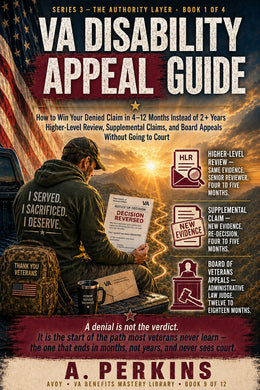
Once you know the reason, you can match it to the right path. Under the modern appeals system there are three lanes:
- Supplemental Claim — submit new and relevant evidence. Best when something was missing, such as a nexus opinion or severity documentation.
- Higher-Level Review — a senior reviewer re-examines the same evidence for an error. No new evidence is added.
- Board Appeal — a Veterans Law Judge reviews your case, with the option of new evidence or a hearing, for more complex situations.
Choosing the right lane is half the battle. Deadlines apply — often one year from your decision date — so confirm the current window and the right form on VA.gov before you file.
See exactly which reason applies to you — free
Not sure which category your letter falls into? Use the free AVOY Denial Reasons Explainer: tell it what your letter said and get a plain-English breakdown of what it means and what a complete record usually includes.
Then take your situation to AVOY Veteran Navigator AI for an educational roadmap built around your denial — what to gather, which lane fits, and your next step.
Important disclaimer — educational use only (tap to expand)
Educational information only — not legal, medical, or claim representation, and not affiliated with the U.S. Department of Veterans Affairs. For help filing or appealing, contact a VA-accredited VSO (often free), claims agent, or attorney. For current rates, forms, and deadlines, see VA.gov.